The United Nations: Structure, Purpose and Global Role
Introduction
The United Nations (UN) is an intergovernmental organization established in 1945 after World War II. Its primary mission is to promote international peace and security, foster friendly relations among nations, achieve international cooperation, and serve as a center for harmonizing the actions of nations. As of today, the UN has 193 member states and plays a central role in global diplomacy, humanitarian assistance, and sustainable development.
Historical Background
The UN was officially founded on 24 October 1945, when its founding charter, the Charter of the United Nations, entered into force. The organization replaced the League of Nations, which had been established after World War I but was unable to prevent the outbreak of World War II.
The founding members included major Allied powers such as the United States, the United Kingdom, the Soviet Union, China, and France, which became permanent members of the Security Council.
Main Organs of the United Nations
The UN has six principal organs:
1. General Assembly
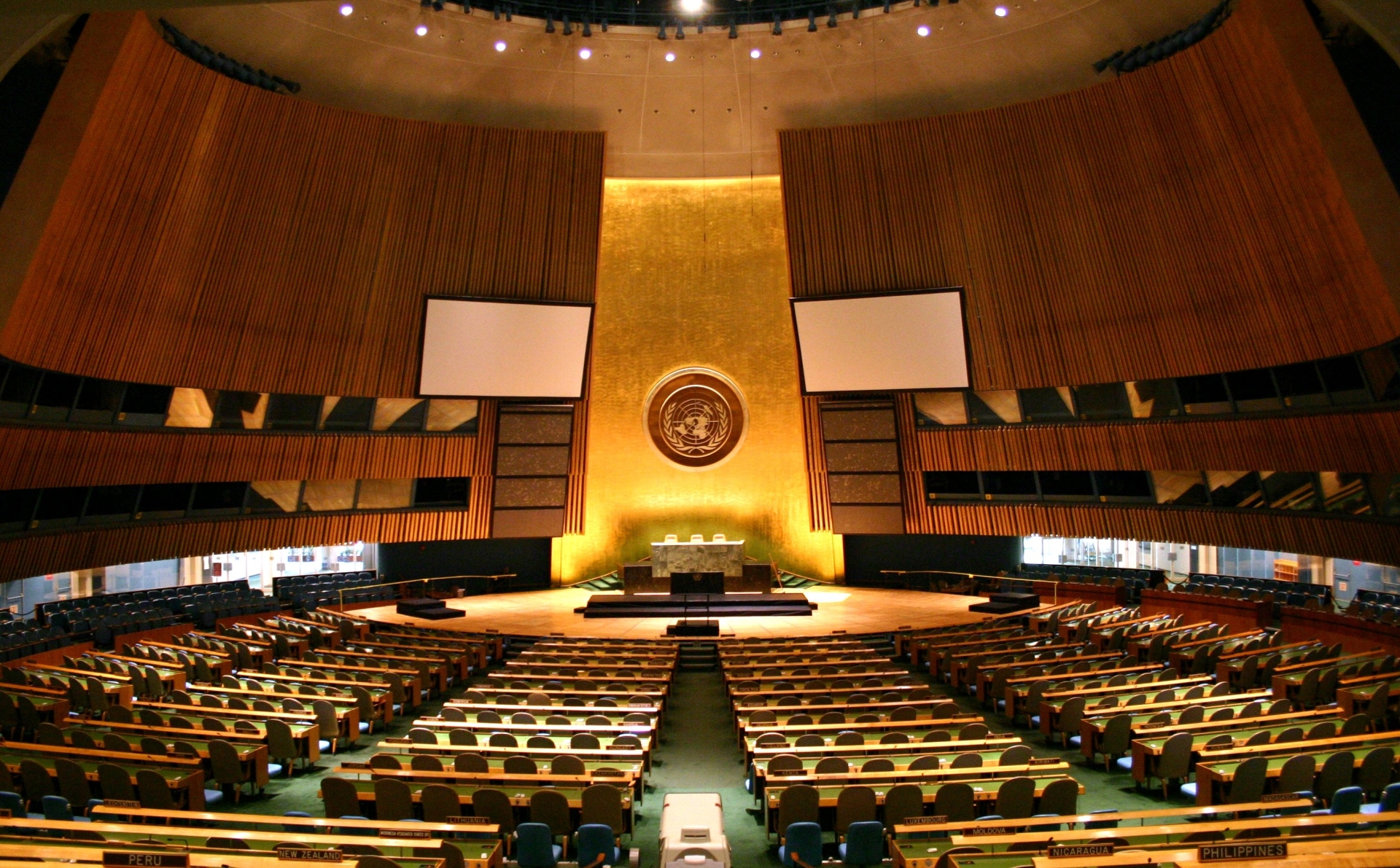
The General Assembly is the main deliberative body where all 193 member states have equal representation. It discusses international issues, approves the UN budget, and elects non-permanent members of the Security Council.
2. Security Council
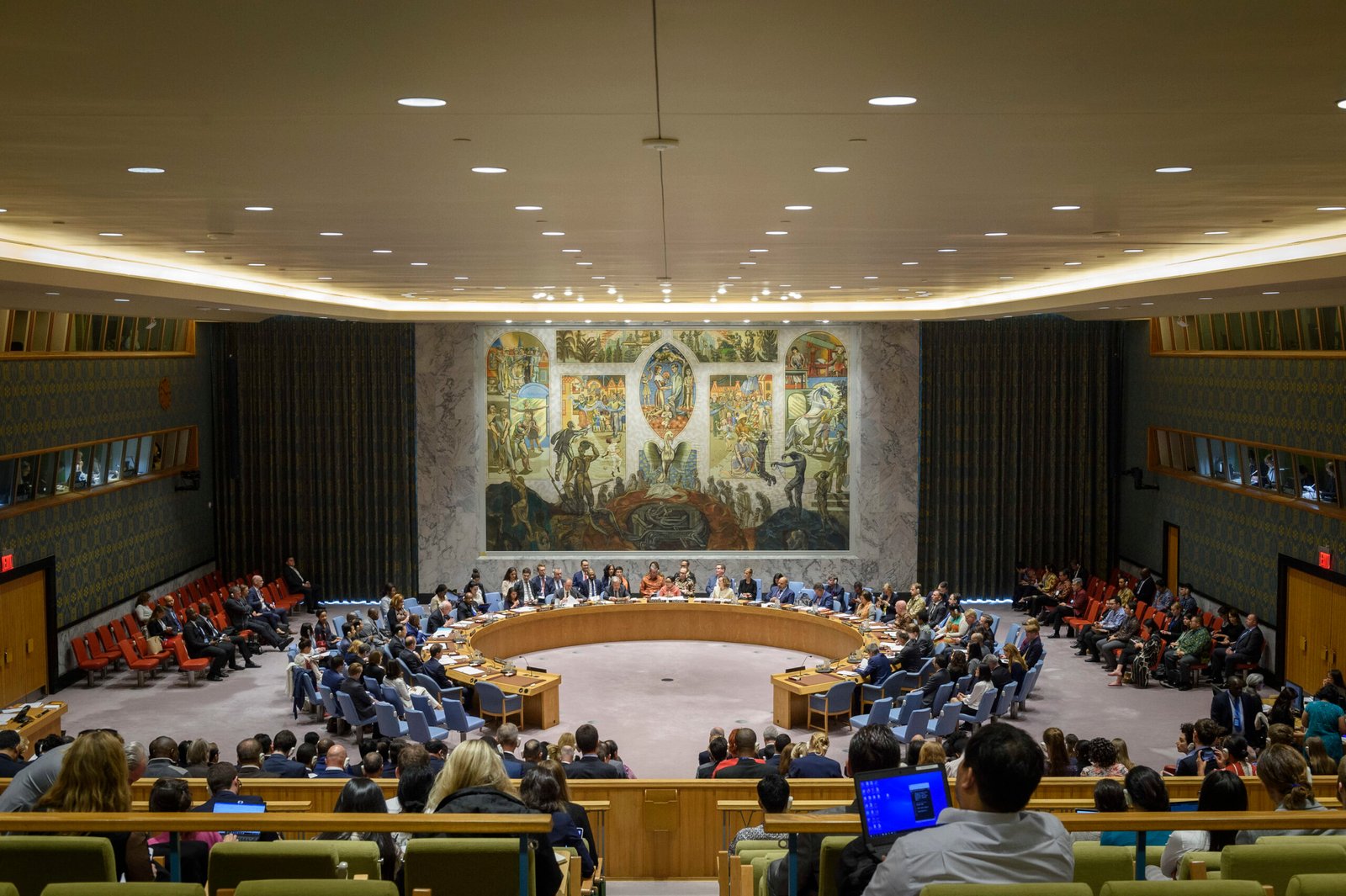
The Security Council is responsible for maintaining international peace and security. It has 15 members: five permanent members with veto power (China, France, Russia, the United Kingdom, and the United States) and ten non-permanent members elected for two-year terms.
3. Economic and Social Council (ECOSOC)
ECOSOC coordinates international economic, social, and environmental work and oversees specialized agencies.
4. International Court of Justice (ICJ)
Based in The Hague, the ICJ settles legal disputes between states and provides advisory opinions on legal questions referred by UN organs.
5. Secretariat
The Secretariat carries out the day-to-day work of the UN. It is headed by the Secretary-General, who is appointed by the General Assembly on the recommendation of the Security Council.
6. Trusteeship Council
Originally established to oversee trust territories transitioning to self-government or independence, it suspended operations in 1994 after the independence of Palau.
Key Areas of Activity
Peace and Security
The UN deploys peacekeeping missions to conflict zones to monitor ceasefires and assist in political transitions. Peacekeeping forces operate under mandates from the Security Council.
Human Rights
In 1948, the UN adopted the Universal Declaration of Human Rights, which outlines fundamental rights and freedoms. The UN continues to monitor and promote human rights worldwide.
Humanitarian Assistance
Through agencies such as the World Food Programme and the United Nations Children’s Fund, the UN provides emergency relief during conflicts, natural disasters, and health crises.
Sustainable Development
In 2015, member states adopted the Sustainable Development Goals (SDGs), a set of 17 global goals aimed at ending poverty, protecting the planet, and ensuring prosperity by 2030.
Funding and Membership
The UN is funded primarily by assessed and voluntary contributions from member states. Contributions are determined based on a country’s capacity to pay. Specialized agencies and programs may also receive voluntary funding from governments and private donors.
Criticism and Reform Efforts
The UN has faced criticism regarding the veto power of permanent Security Council members, bureaucratic inefficiencies, and its response to certain conflicts and humanitarian crises. Reform proposals often focus on expanding the Security Council and improving transparency and accountability.
Conclusion
The United Nations remains a central institution in global governance. While it faces ongoing challenges and debates about reform, it continues to serve as a platform for international dialogue, cooperation, and collective action on issues that transcend national borders.
References
- United Nations. (1945). Charter of the United Nations. Available at: https://www.un.org/en/about-us/un-charter
- United Nations. (n.d.). About the UN. Retrieved from: https://www.un.org/en/about-us
- United Nations. (1948). Universal Declaration of Human Rights. Available at: https://www.un.org/en/about-us/universal-declaration-of-human-rights
- United Nations Development Programme. (2015). Sustainable Development Goals. https://sdgs.un.org/goals
- Weiss, T. G., & Daws, S. (Eds.). (2018). The Oxford Handbook on the United Nations. Oxford University Press.
- Hanhimäki, J. M. (2015). The United Nations: A Very Short Introduction. Oxford University Press.
Last updated on 02 March 2026 at 7:04 PM.